Hybrid
Usually the quick first step
- Works together with your boiler
- The boiler helps on cold days
- Often installed within one day
- Also suitable with moderate insulation
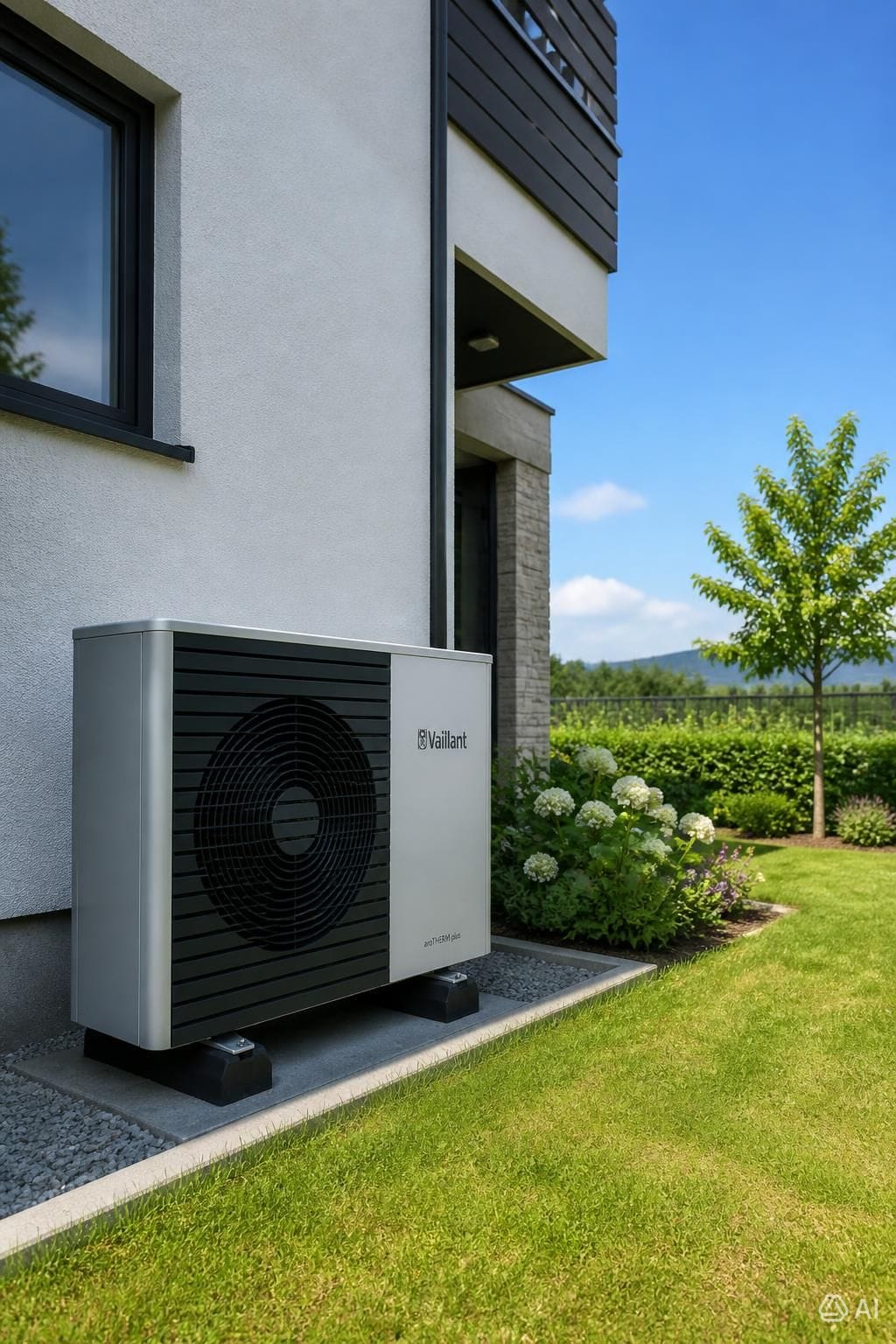
Hybrid or all-electric: we help you make the right choice for your home.
Planning a heat pump? Anyone who buys by 31 December 2026 at the latest and has it installed in 2027 keeps the higher 2026 ISDE amount, according to RVO (air-to-water: € 225 per kW instead of € 120). Read the ISDE rules for 2027 →
A heat pump takes heat from the outside air and brings it to the temperature of your heating. For every kWh of electricity it delivers several kWh of heat.
A heat pump works like a refrigerator running in reverse: it pumps heat from outside to inside.
Outside, the refrigerant absorbs heat from the air
The compressor squeezes the gas together: it gets hot
Inside, the gas releases heat to your heating
The valve lowers the pressure and the cycle starts again
Usually the quick first step
Completely without gas
The better insulated, the lower the flow temperature required and the more efficiently the heat pump works. Sometimes it is wise to insulate first, sometimes you can start with a hybrid solution.
Heat through the floor. Works with low temperatures, so ideal for a heat pump.
Often remain usable, sometimes with extra or larger ones.
With fans: more heat from a lower flow temperature.
Modern models are quiet. Placement in relation to bedrooms and neighbours is at least as important.
We assess the home, meter cupboard and the spot for the outdoor unit. Hybrid often in one day, all-electric in a few days.
A hybrid heat pump often costs a few thousand euros, an all-electric system considerably more, before subsidy. A concrete price follows only after a survey of your home.
Indicative. No guaranteed savings: your energy costs depend on your home, behaviour and energy prices.
Read about the ISDE subsidy → · Combining with solar panels → · Buying a heat pump: costs and buying guide →
A hybrid heat pump works together with your existing boiler: the heat pump does most of the work, the boiler steps in on cold days. An all-electric heat pump heats the home entirely without gas.
That depends on insulation, heat emission and space for the outdoor unit. A well-insulated home is a big advantage, but perfect insulation is not always needed, certainly not with hybrid.
That differs per model and placement. Manufacturers state a sound power level; placement in relation to bedrooms and neighbours is at least as important. We take that into account in our advice.
A hybrid heat pump is often installed within one day. An all-electric installation usually takes a few days, depending on the home.
Not necessarily. Underfloor heating works very well at low temperatures, but a heat pump can also work well with (larger or additional) radiators or low-temperature radiators.
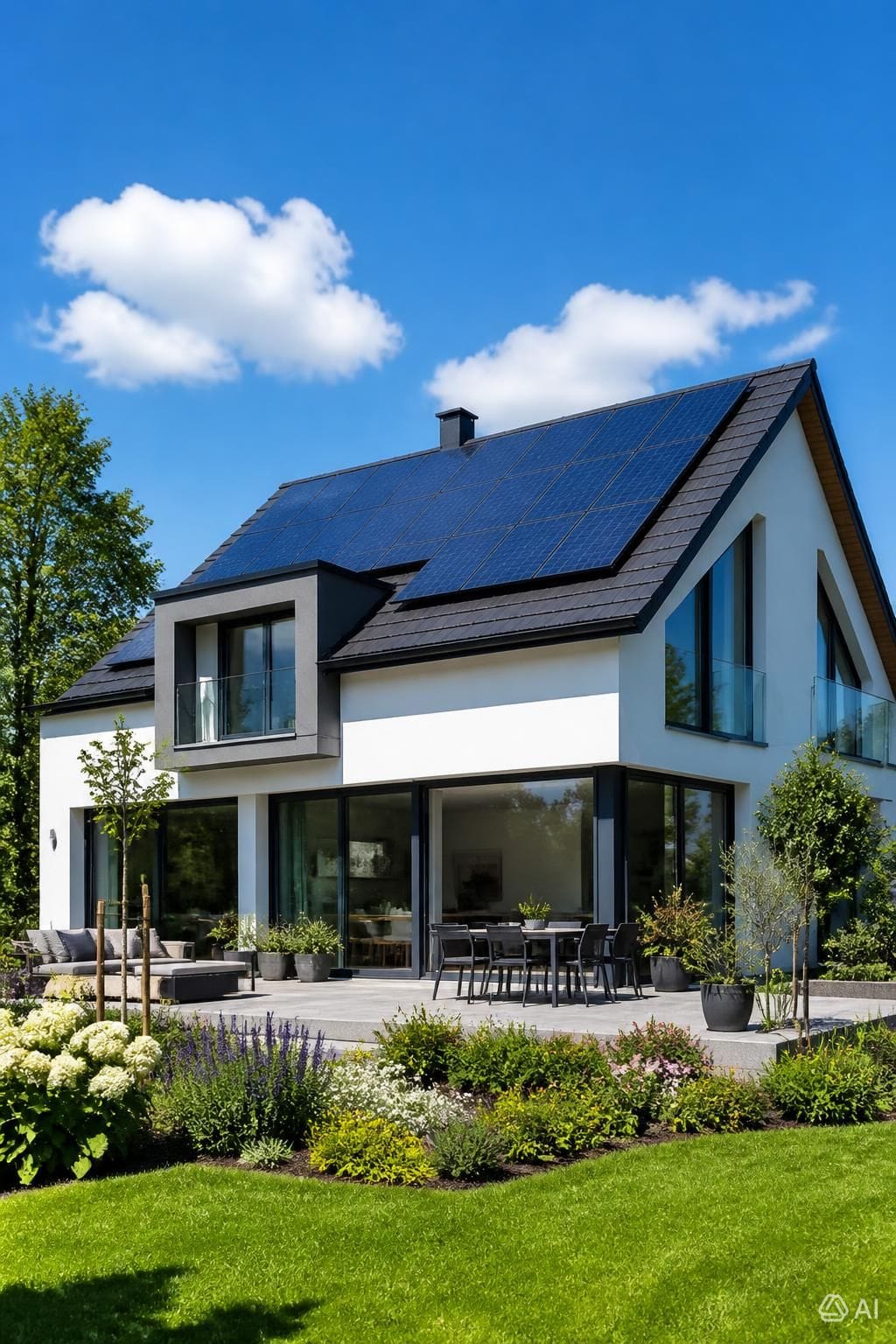
Request a personal advice visit with no obligation. No commitments, no sales pitch.