Capacity
From a few to well over fifteen kWh. Bigger is not always better: it depends on your evening consumption.
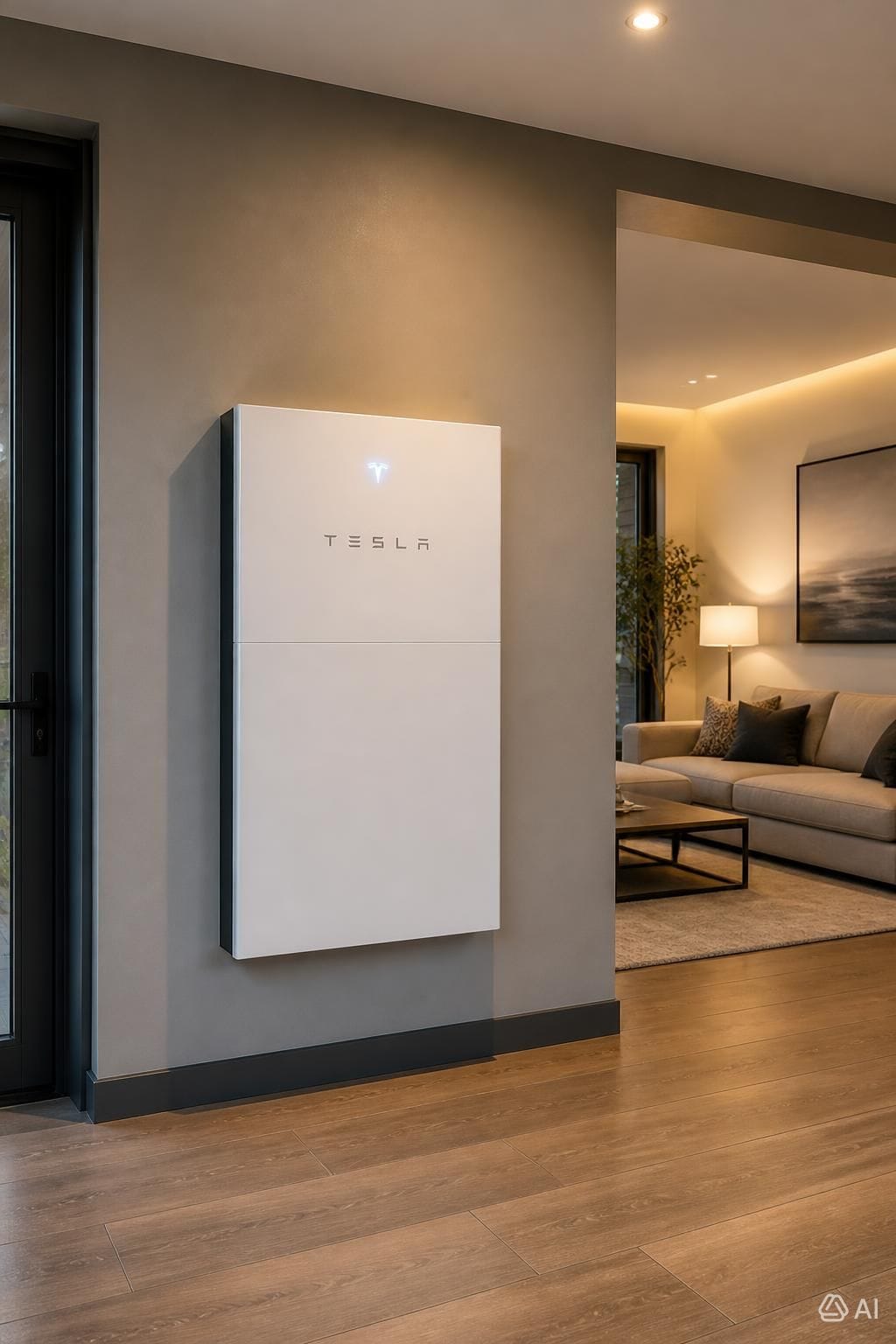
Use this afternoon's solar power tonight. Whether that pays off for you, we calculate honestly.
This way you feed back less and use more of your own generation.
The battery keeps what you do not need during the day, and gives it back when the sun is gone.
During the day the panels generate more than you use
The surplus charges the battery instead of going to the grid
In the evening the panels supply nothing any more
The battery supplies the stored electricity to your home
From a few to well over fifteen kWh. Bigger is not always better: it depends on your evening consumption.
AC: its own inverter, easy with existing panels. DC: via a hybrid inverter, often more efficient in new builds.
Charge at low, discharge at high prices. Opportunities, but also price risk.
Coordination with panels, heat pump and charger increases the benefit.
Depending on capacity and brand, a home battery costs roughly a few thousand to well over ten thousand euros, including installation. The payback period depends on your feed-in, the price difference between buying and feeding back, your contract and the lifetime. For some households that is long.
We give no standard return. We calculate with your consumption, panels and contract, and we say so too if a battery does not pay off for you.
That depends on your consumption and the number of panels. A battery usually makes sense if you generate a lot during the day and use a lot in the evening. A battery that is too large mainly lengthens the payback period.
An AC-coupled battery has its own inverter and is easy to add to existing solar panels. DC-coupled systems share a hybrid inverter with the panels and are often more efficient, but mainly suit new installations.
With a dynamic contract the electricity price changes per hour or quarter of an hour. A smartly controlled battery can charge when electricity is cheap and discharge when electricity is expensive. It offers opportunities, but also price risk.
Modern systems have built-in safety features. A professional installation, a suitable location and products from a recognised manufacturer are important.
Request a personal advice visit with no obligation. No commitments, no sales pitch.