Home charging
A charger on the façade or in the garage, matched to your car and connection.
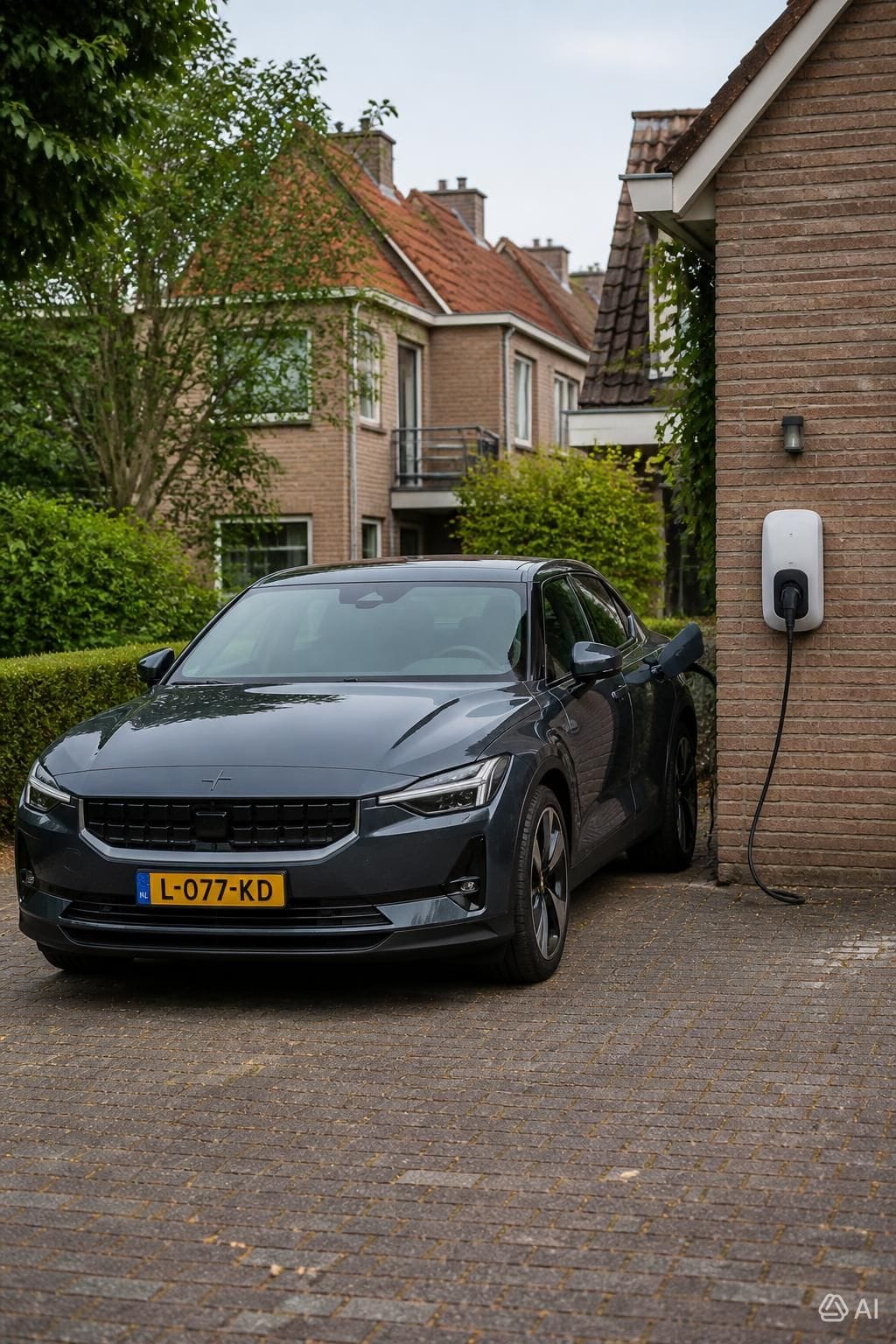
A charger that suits your car, your connection and your solar panels. We look along with you, at your home.
A charger on the façade or in the garage, matched to your car and connection.
Charge during the day with your own generation instead of feeding back.
Charging at the most favourable moment, with surplus or at a low price.
We first assess whether your connection and meter cupboard are suitable.
The charger connects your car to your home and determines how the electricity is used.
Solar panels supply their own electricity, when the sun shines
The grid tops up when needed
The charger controls when and how fast charging happens
The battery of your car fills up
Charging at home is easy: the car stands still at night or during the day anyway. The charging power depends on your connection.
With solar panels you charge on your own power during the day; with a home battery also in the evening.
Panels generate
The home first uses what it needs
The charger takes the surplus
Shortfall? Battery or grid tops up
The charger charges as soon as your panels generate more than the home uses.
With a dynamic energy contract the car charges when electricity is cheap.
Dynamic load management monitors your connection, also with a heat pump and induction hob.
Schedule charging times so the car is ready when you need it.
You say when the car must be full. The charger picks the best hours to do it.
You set when the car must be ready
The system looks at solar power and electricity price
The charger charges in the cheapest hours and waits in the most expensive
You leave with a full battery
Schematic example. Actual prices and solar power differ per day, season and contract; smart charging works best with a dynamic contract and/or solar panels.
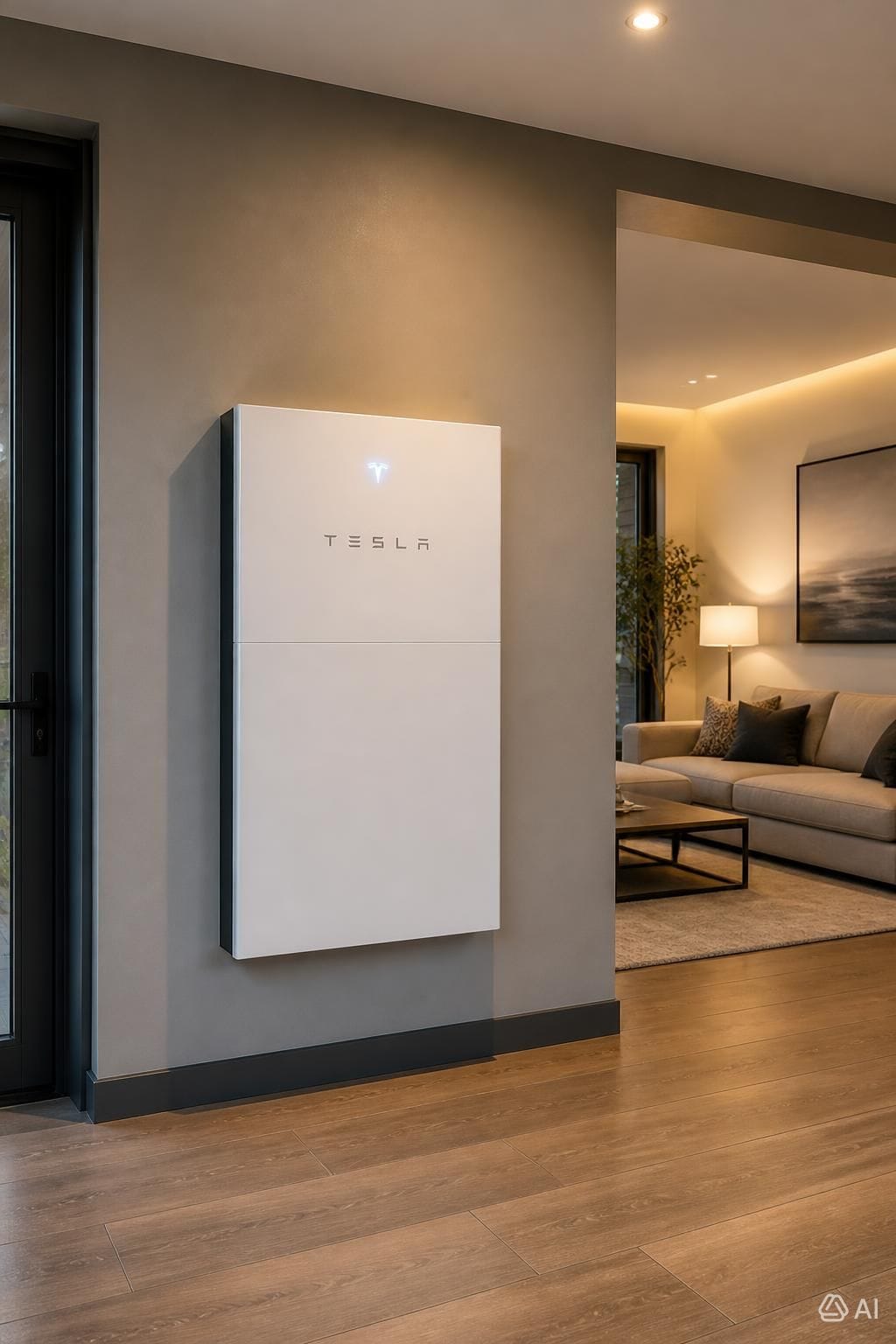
Before installation we check:
Sometimes an upgrade is needed, such as an extra circuit or a heavier connection.
Costs are roughly between a few hundred and a few thousand euros including installation, depending on the type of charger, cable route and meter cupboard. A fixed price follows after an on-site survey.
Indicative. Check whether your municipality or employer has a scheme; for private individuals there is no standard subsidy in the ISDE. See Subsidies.
That depends on your car, your connection and your wishes. A single-phase connection (16 A) delivers a maximum of approx. 3.7 kW, a three-phase connection (16 A) approx. 11 kW. For most homes charging at home up to 11 kW is more than enough, provided your connection allows it.
Often yes, sometimes an upgrade is needed, such as an extra circuit or a heavier connection. We assess the meter cupboard and connection in advance on site.
Yes. A smart charger can match the charging to your generation. How much you effectively charge with your own electricity depends on when your car is at home.
The charger charges at the most favourable moment, for example with a surplus of solar power or at low electricity prices (with a dynamic contract), and makes sure your connection is not overloaded.
Roughly a few hundred to a few thousand euros including installation, depending on type, cable route and meter cupboard. A fixed price follows after an on-site survey.

Request a personal advice visit with no obligation. No commitments, no sales pitch.